
Batten Down The Hatches

Happy New Year! And happy 4th anniversary to Radix Financial!
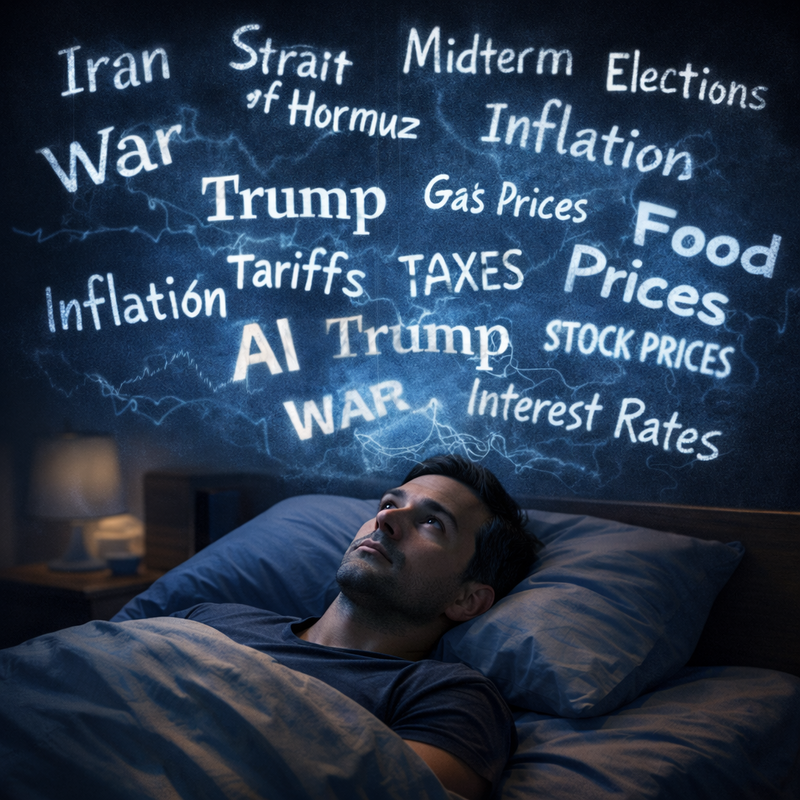
Unless you've been hiding under a rock, there's been very little good news out of Washington or Wall Street in the last few months. But as the perpetual optimist, I try not to worry about short-term market downturns.
Uncertainty surrounding the government shutdown, partisan lock jams, tariffs, immigration policy, Brexit, and rising interest rates have brought volatility back into the stock market.
Prior to October, people were forgetting about risk, feeling complacent that rates are low, taxes are low, and gas is cheap. My friend Dr. John Grable warned of this in his September 2018 blog: "risk tolerance scores have been shifting upward, indicating individual investors are increasing their willingness to take financial risk."
In good times, our brains trick us into believing we're missing out on easy money. This causes us to violate the only rule that matters:
Buy low. Sell high.
I like to think of long-term investing like being a passenger on a ship crossing the ocean. You can take a cruise ship, knowing that if weather turns bad, you can simply go under deck and trust the captain. You may be seasick for a few days but you'll reach your destination safely.
Alternatively, you could try to time the market by joining the crew of a small sailboat. Some days you may move faster, but a large storm could wipe you out.
Bond Market Reality
After almost a decade of monetary stimulus, the FOMC under Jerome Powell has begun "normalizing" interest rates by raising the short-term Fed funds rate.
As former Fed Chair Ben Bernanke remarked: "the first risk is that rates will remain low, and the second is that they will not."
When rates rise, bond prices fall. This is called "duration risk." If you own individual bonds (like we prefer), price swings should not concern you — you still receive your coupons and principal at maturity.
The Yield Curve
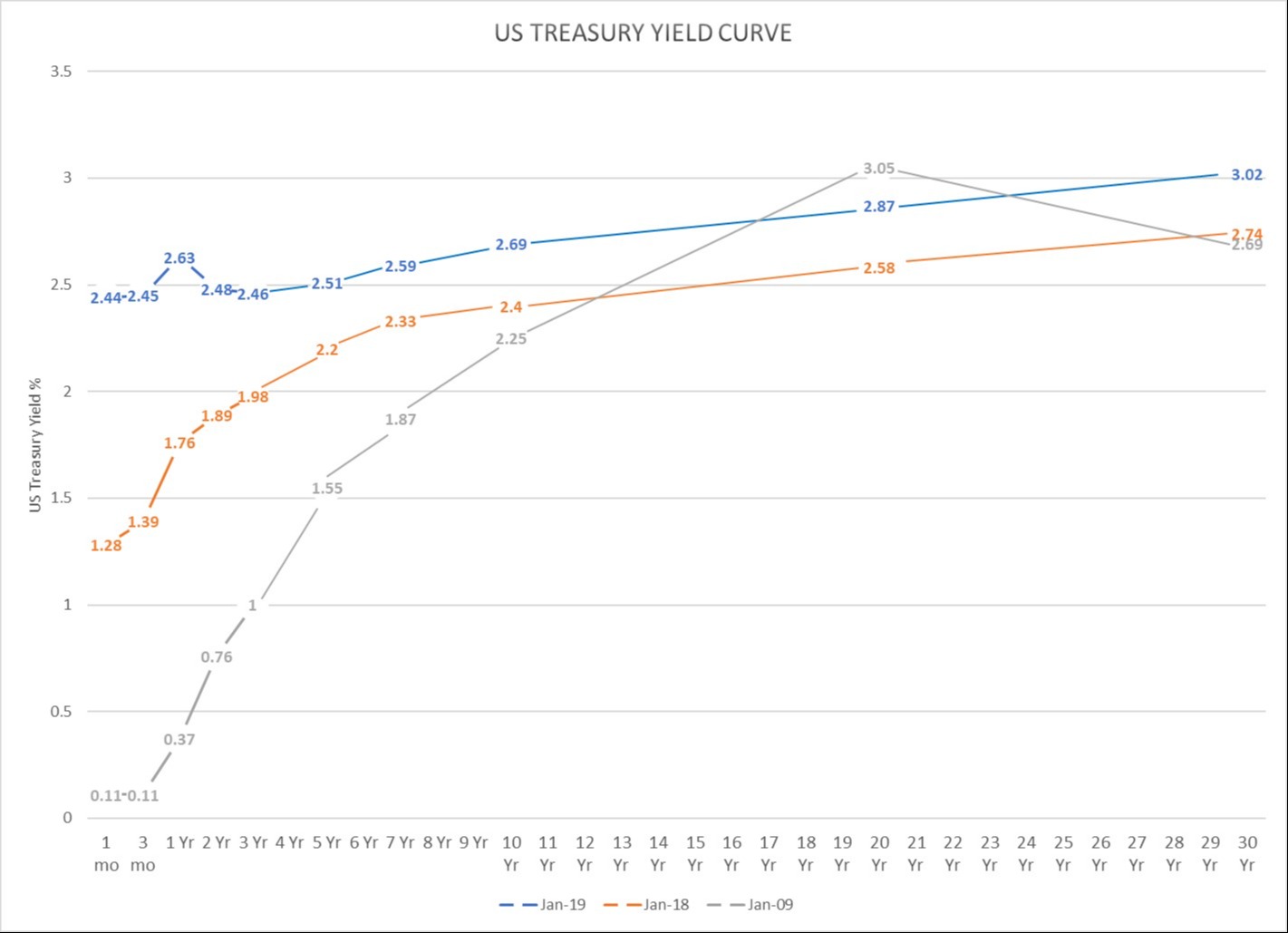
The yield curve today is very flat. You can loan money for one year at 2.63% or lock in 2.87% for 20 years — a very low spread.
A flat or inverted yield curve means one of two things:
- The Fed will soon drop short-term rates in response to coming economic catastrophe, OR
- Demand for longer-term debt will fall, causing yields to rise until equilibrium is reached.
I believe the latter — that longer-term rates will ultimately rise. The Fed is doing an excellent job staying tuned into market reaction. Despite the political abuse on Twitter, the Fed remains an independent fiduciary of the economy.
Have a wonderful and prosperous new year!
Amy Hubble, PhD, CFA, CFP®