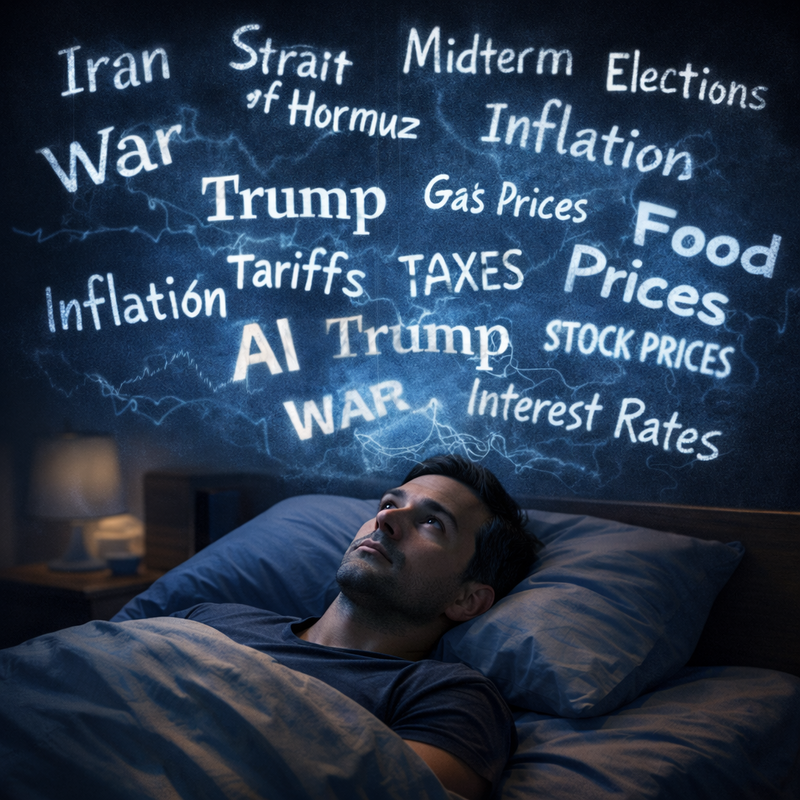

Three Financial Distractions That Could Cost You in 2024
Happy New Year!
The S&P 500 ended the year up 24%. Excellent by any measure, despite the worst banking crisis since 2008, rapid Fed rate hikes, debt ceilings and budget battles in Washington, the ongoing war in Ukraine, the conflict in the Middle East, and cracks in China's economy.
Despite everyone (except us) predicting that the US would fall into a deep self-imposed recession, the markets proceeded to march confidently back to all-time highs.
Throughout our nine-year history, we have never published a quarterly investment letter recommending defensive action. It's not that we believe the markets won't go down, we do, it's rather that we believe long-term opportunities can exist in all market environments.
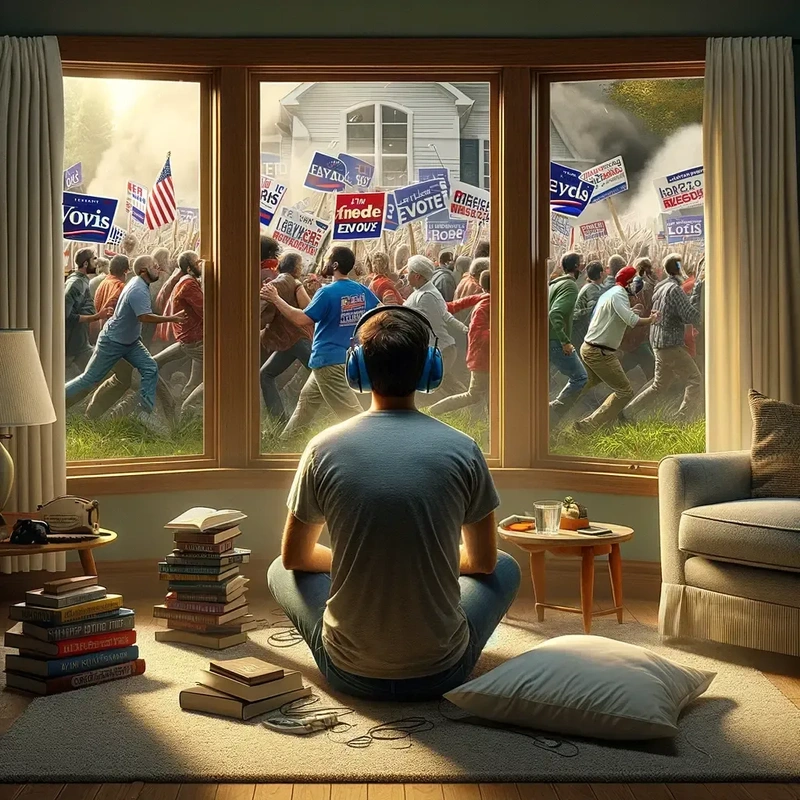
DISTRACTION #1 — THE US PRESIDENTIAL ELECTION
With many triggering social issues and characters up for election in 2024, it's going to be critically important to separate political views from portfolio decisions.
While Washington politics do affect our personal and professional lives, history shows that markets can perform well in many political environments and leadership configurations.

DISTRACTION #2 — INFLATION
The Fed managed to bring inflation pressures back down from 9.1% in June of 2022 to 3.4% in December of 2023, all without significantly affecting job growth.
At the December meeting, all 19 Fed governors indicated they believed us to be at the peak of the hiking cycle. 17/19 Fed governors said they expect to lower interest rates during 2024.

Leading indicator data seems to suggest we should have already been in a recession:

Despite the rapid recovery in stocks, many sectors have experienced staggered reactions to recent monetary restrictions (last year's regional banking crisis, tech crunch in '22, housing demand decreased with mortgage rates).
The FOMC has extended their forecasts for exactly when we should expect to see inflation reach 2% out until 2026:

Bond prices will inherently rise as rates come down. The chart below shows how sensitive different areas of the bond market are to a 1% move in interest rates:

DISTRACTION #3 — THE NATIONAL DEBT
The debt ceiling suspension deal that was reached earlier this year only kicked the can down the road to January 2025, but at least we'll get a new Congress and a year's respite from the political theatre.
Fiscal discipline has not been a priority in Washington for some time. While the U.S. has never defaulted on its debt obligations, Washington has increasingly allowed these negotiations to come down to the wire.
WHAT SHOULD I FOCUS ON?
As we tell all our clients, focus on the things you can control, and let us worry about the rest:
- Spend less than you make
- Diversify your portfolio
- Keep fees low
- Stay tax efficient
- Avoid emotional errors
Amy Hubble & Jessica Jablonowski